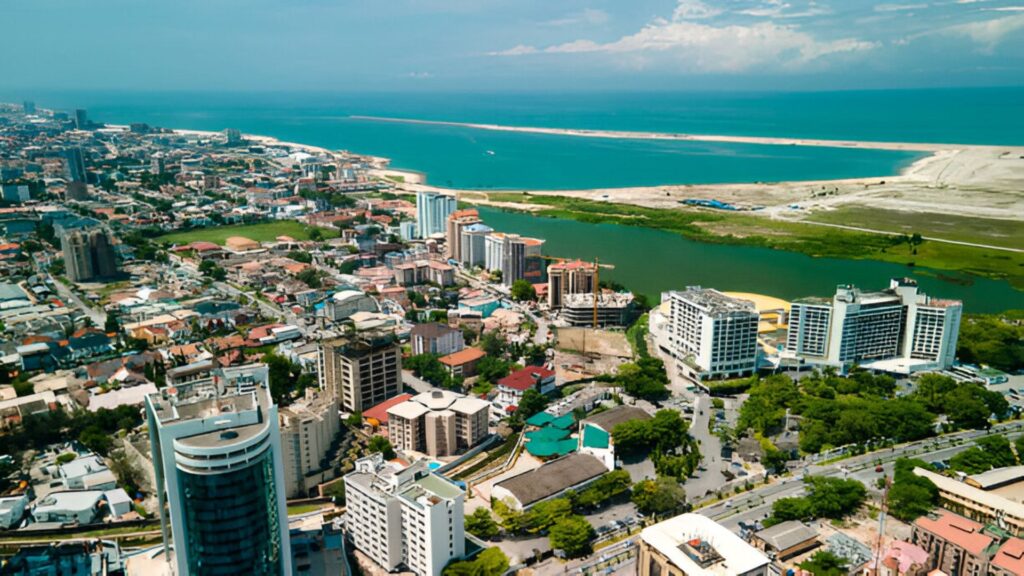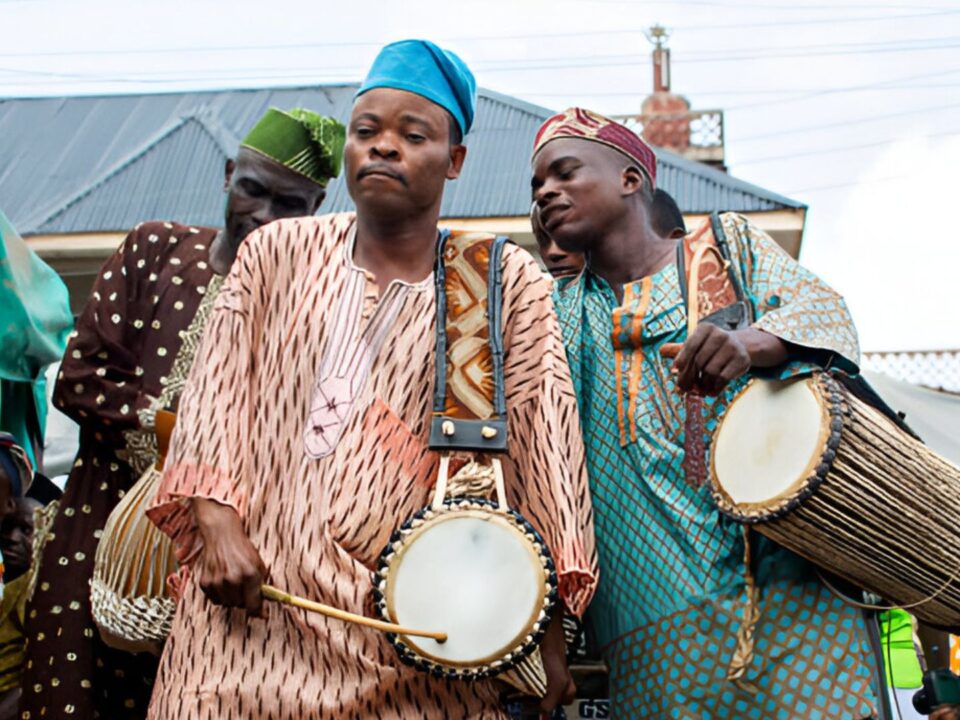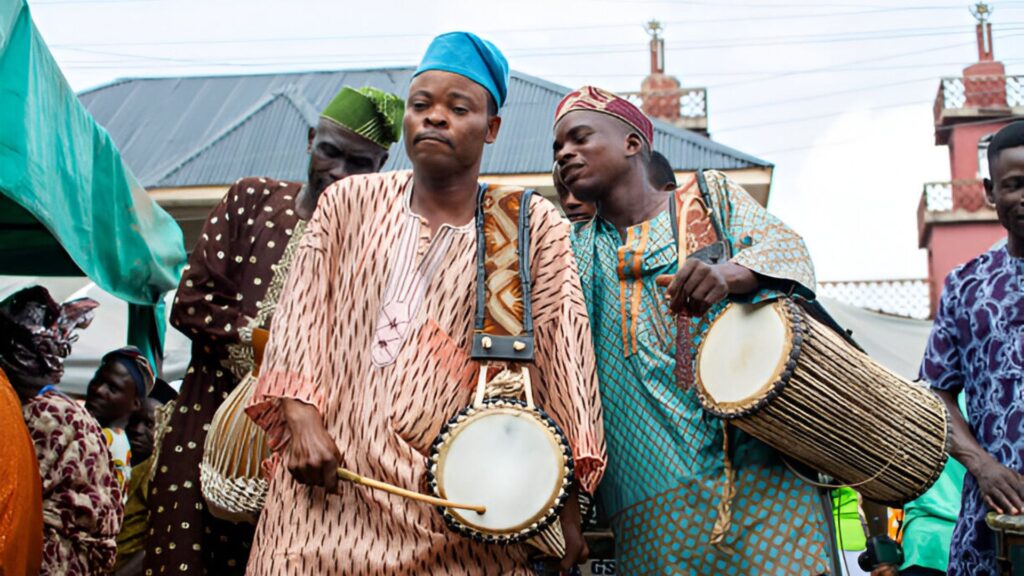

The Western Region Organization (WRO) is dedicated to promoting the socio-economic development of Yorubaland, working alongside governments, local businesses, and international partners to uplift the people and the land. In this post, we examine the current socio-economic landscape of Yorubaland, its key challenges, and the opportunities that could transform its future.
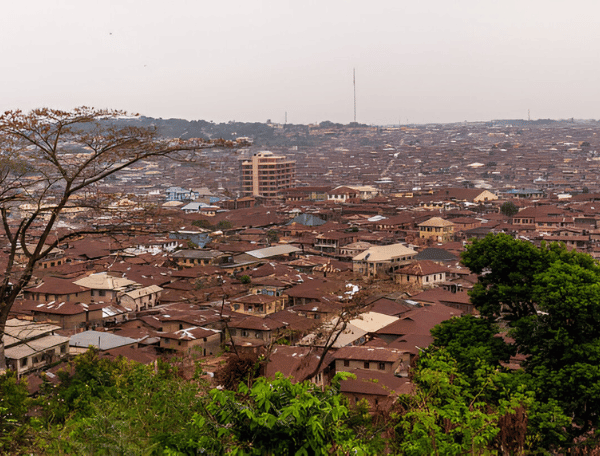
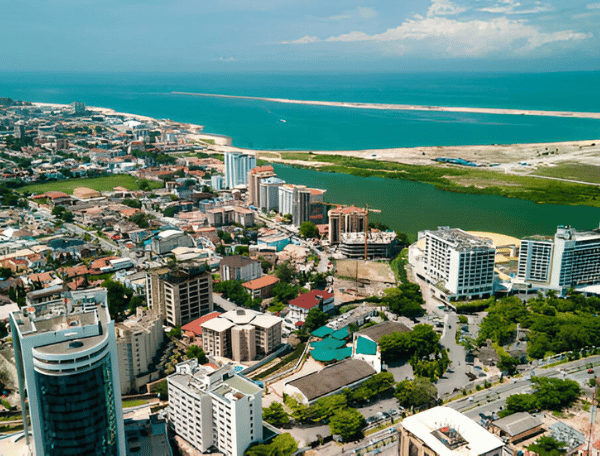
Yorubaland, comprising major cities like Lagos, Ibadan, Abeokuta, and rural communities across the South-West region, is home to a bustling population involved in a variety of economic activities. The region is a mix of urban centers characterized by rapid development and rural areas where traditional livelihoods, such as agriculture and artisanal crafts, dominate. However, these rural communities often struggle with limited access to modern amenities and infrastructure, making it difficult for residents to fully participate in the modern economy.
In cities like Lagos and Ibadan, the economic picture is more dynamic. These urban areas are thriving hubs for trade, commerce, and innovation, attracting businesses and young professionals. However, they too face significant challenges, particularly in terms of overpopulation, poor infrastructure, and an ever-widening gap between the rich and poor. Youth unemployment remains a pressing issue, as many young people migrate to cities in search of opportunities, only to face stiff competition for jobs.
Despite these challenges, Yorubaland is well-positioned for growth. Its people are resourceful, its culture is widely celebrated, and its geographical location provides easy access to major trade routes. This makes it crucial for stakeholders—both local and international—to address the obstacles to development while embracing the region’s potential.