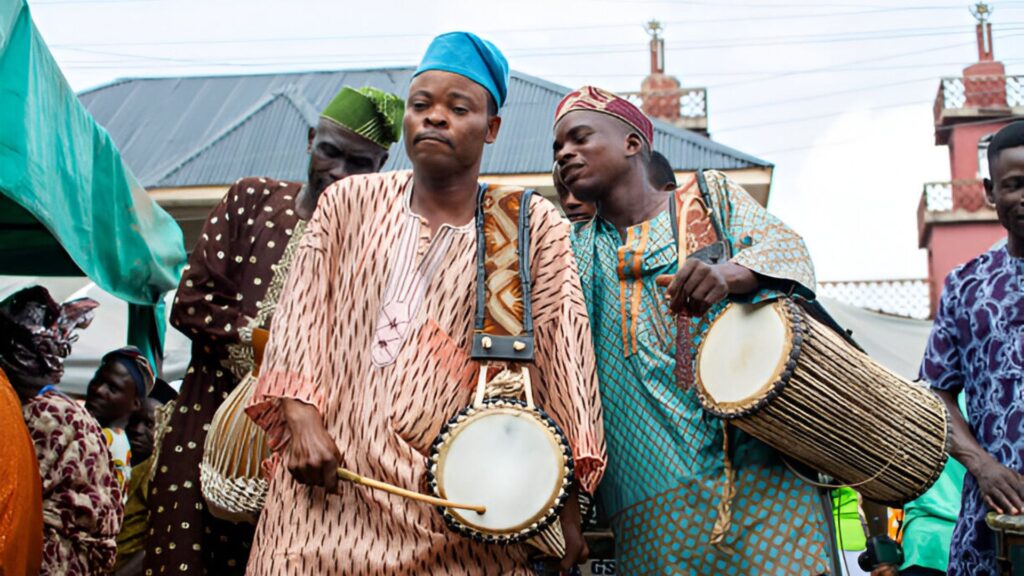

In this blog post, we will explore the significance of preserving the cultural identity of the Yoruba people, examining the ways in which language, traditions, and art form a bridge between the past and present, and how initiatives like WRO are playing a key role in safeguarding these values.
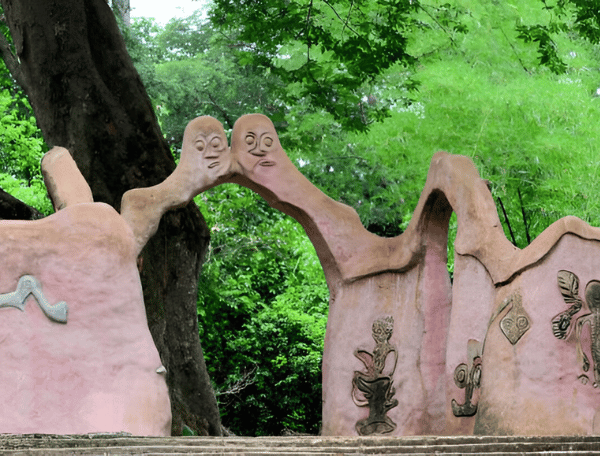
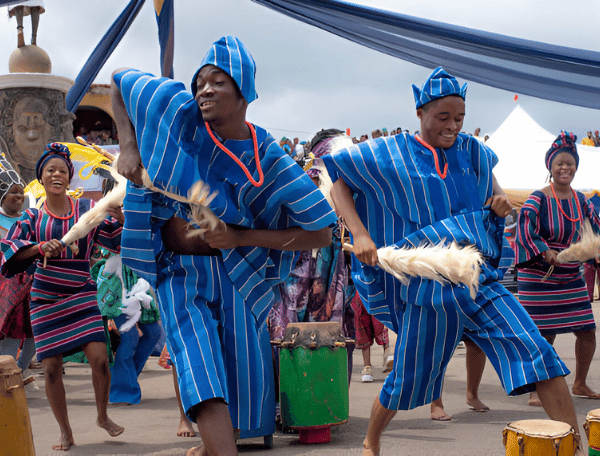
The story of Yorubaland stretches back centuries, steeped in rich traditions and a deep spiritual connection to the land. The region is made up of various kingdoms and city-states, such as Oyo, Ife, and Ijebu, each with its own unique traditions and governance structures. The Yoruba people have historically been known for their advanced political systems, vibrant trade networks, and a sophisticated artistic culture.
At the heart of Yoruba civilization lies the institution of kingship, with figures such as the Ooni of Ife and the Alaafin of Oyo acting as custodians of tradition and culture. These monarchs hold both spiritual and temporal authority, playing central roles in guiding their communities and preserving their distinct identities. Through festivals, ceremonies, and the preservation of oral history, the Yoruba people have maintained a strong sense of cultural continuity.
The region is also known for its profound connection to the Orisha religion, which celebrates deities like Sango, Obatala, and Ogun. These deities embody natural forces, and their stories are passed down through generations via intricate oral traditions. The importance of such spiritual practices underscores how closely intertwined history, religion, and culture are in Yorubaland.